ACP-105
Partial androgen receptor agonist with favorable anabolic to androgenic ratio. Milder alternative to RAD-140 with fewer side effects.
Compound
At a glance
At a glance
- Concentration
- 10mg/ml
- Purity
- 99%+ (HPLC verified)
- Route
- Oral or sublingual
- Storage
- Room temperature, dry, away from light.
ACP-105 is a non-steroidal selective androgen receptor modulator developed by Acadia Pharmaceuticals. Classified as a partial androgen receptor agonist, ACP-105 was designed to deliver meaningful anabolic activity with a more conservative receptor activation profile than full AR agonists like RAD-140 or LGD-4033. Its partial agonist nature means it activates the androgen receptor to a submaximal degree — typically estimated at 60–70% of the efficacy of a full agonist — which translates to a proportionally reduced side-effect profile while retaining clinically relevant anabolic output.
ACP-105 binds the androgen receptor with high selectivity for skeletal muscle and bone over prostate and reproductive tissues. As a partial agonist, its receptor interaction kinetics differ fundamentally from full agonists: rather than driving maximal AR transcriptional activation, ACP-105 produces a modulated, dose-proportional anabolic response. In preclinical studies, ACP-105 demonstrated anabolic activity approximately 66% as potent as testosterone in the levator ani muscle assay while producing only minimal prostate stimulation — yielding a highly favorable anabolic-to-androgenic selectivity ratio.
Research positions ACP-105 as a compound with a particularly attractive risk-benefit profile for conservative research protocols. It delivers measurable lean mass accrual, improved strength, enhanced recovery, and bone-protective effects — all at a fraction of the suppressive and androgenic cost of more potent SARMs. Its partial agonist mechanism also means it is less likely to produce the receptor desensitization or post-cycle rebound effects that can complicate full agonist cycles.
ACP-105 is ideally suited for beginning researchers or those prioritizing minimal side effects over maximum anabolic potency. It serves as an excellent introductory compound before progressing to RAD-140 or LGD-4033, and is a strong choice for researchers in caloric deficit who seek lean tissue preservation without the suppression burden of more potent alternatives. Female researchers also find ACP-105 well-tolerated due to its lower virilization risk. It pairs effectively with Cardarine or SR-9009 for cutting protocols.
ACP-105 has an estimated elimination half-life of approximately 6 hours, which may necessitate twice-daily dosing for consistent plasma levels. Oral bioavailability is good. Testosterone suppression is mild — significantly less than RAD-140 or LGD-4033 at standard doses. Short, moderate-dose cycles (6–8 weeks at 5–10mg/day) may not require formal PCT, though a brief SERM protocol is advisable for cycles exceeding 8 weeks or doses above 10mg. No significant hepatotoxicity has been documented. Typical research protocols range from 5–15mg daily for 6–8 weeks.
Dose ranges published in the peptide-research literature vary considerably. Research protocols should be designed by a qualified researcher and use the lowest effective dose consistent with the hypothesis being tested. Half-life determines dosing frequency — shorter half-lives usually require daily dosing, while long-acting analogues tolerate weekly administration.
For compound-specific dose theory, see the half-life dosing math guide and the stacking theory reference.
Independent lab verification
Research disclaimer
For research and laboratory use only. Not for human or veterinary consumption. Novo Pharma sells to qualified researchers of legal age and ships to Canadian addresses only. See disclaimer and terms.
Read the research
Reference articles from the lab covering this compound.
best of
Best SARMs for Beginners 2026: Safest First Cycle Options Ranked
Looking for the best SARMs for beginners? We rank the safest first SARM cycle options for 2026 — from Ostarine to AC-262536 — with protocols, dosages, and what to avoid.
best of
Best SARMs for Women 2026: Safe Options Ranked by Female Athletes
Best SARMs for women in 2026 ranked by female athletes. Ostarine, Cardarine & safe options with proper dosing protocols. What to use and what to avoid.
comparisons
ACP-105 vs RAD-140: Same Chemical Family, Way Less Suppression
ACP-105 vs RAD-140 comparison: same chemical family, dramatically less suppression. Dosage, cognitive benefits, side effects, and why biohackers are switching.
Related compounds.
View all SARMs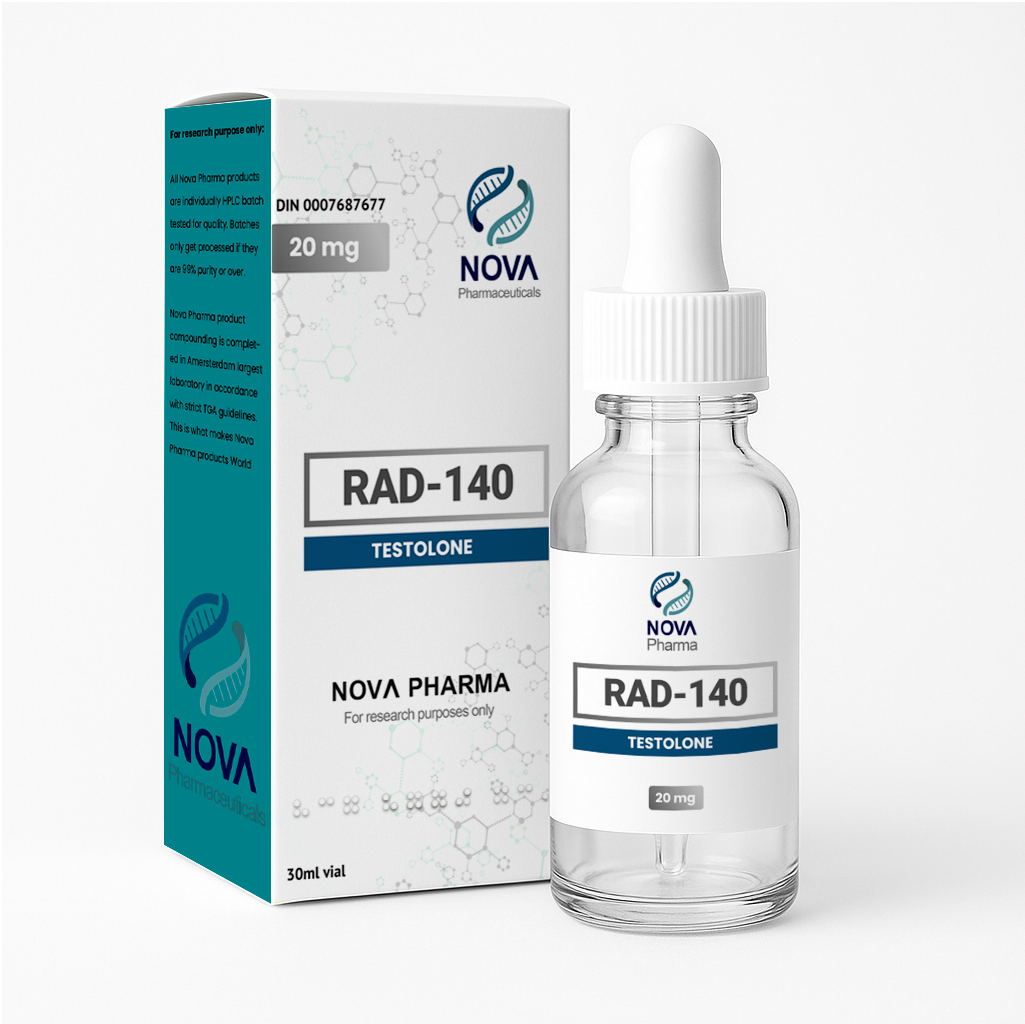
RAD-140
20mg/ml
Buy 3+ Save 15%
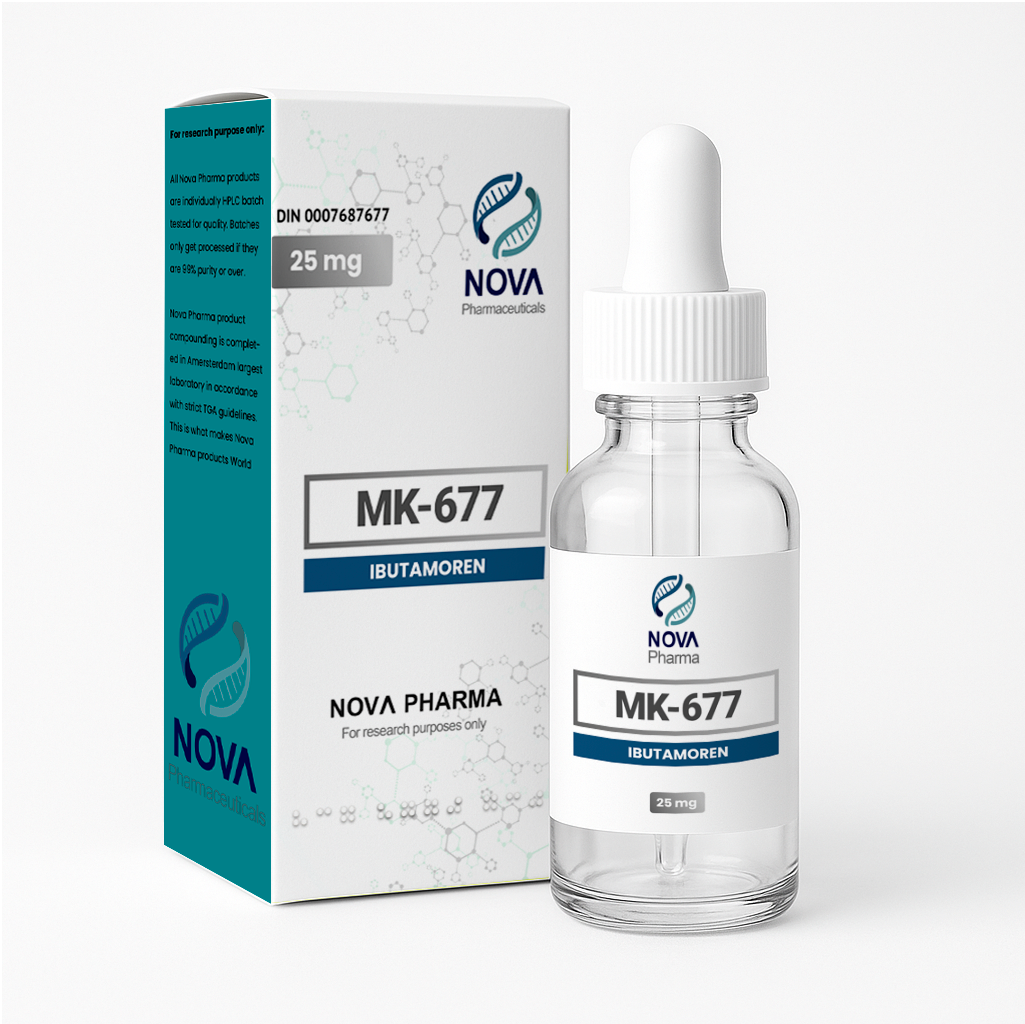
MK-677
25mg/ml
Buy 3+ Save 15%
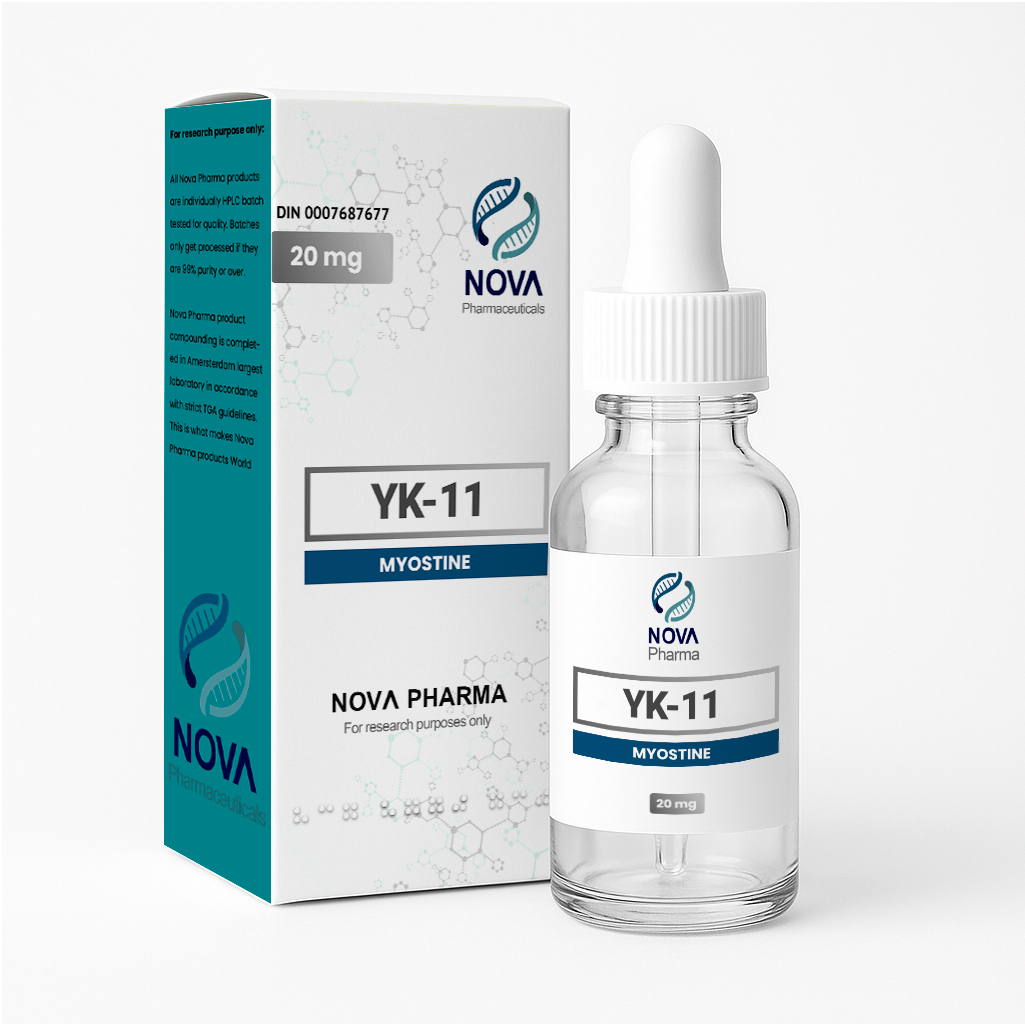
YK-11
20mg/ml
Buy 3+ Save 15%
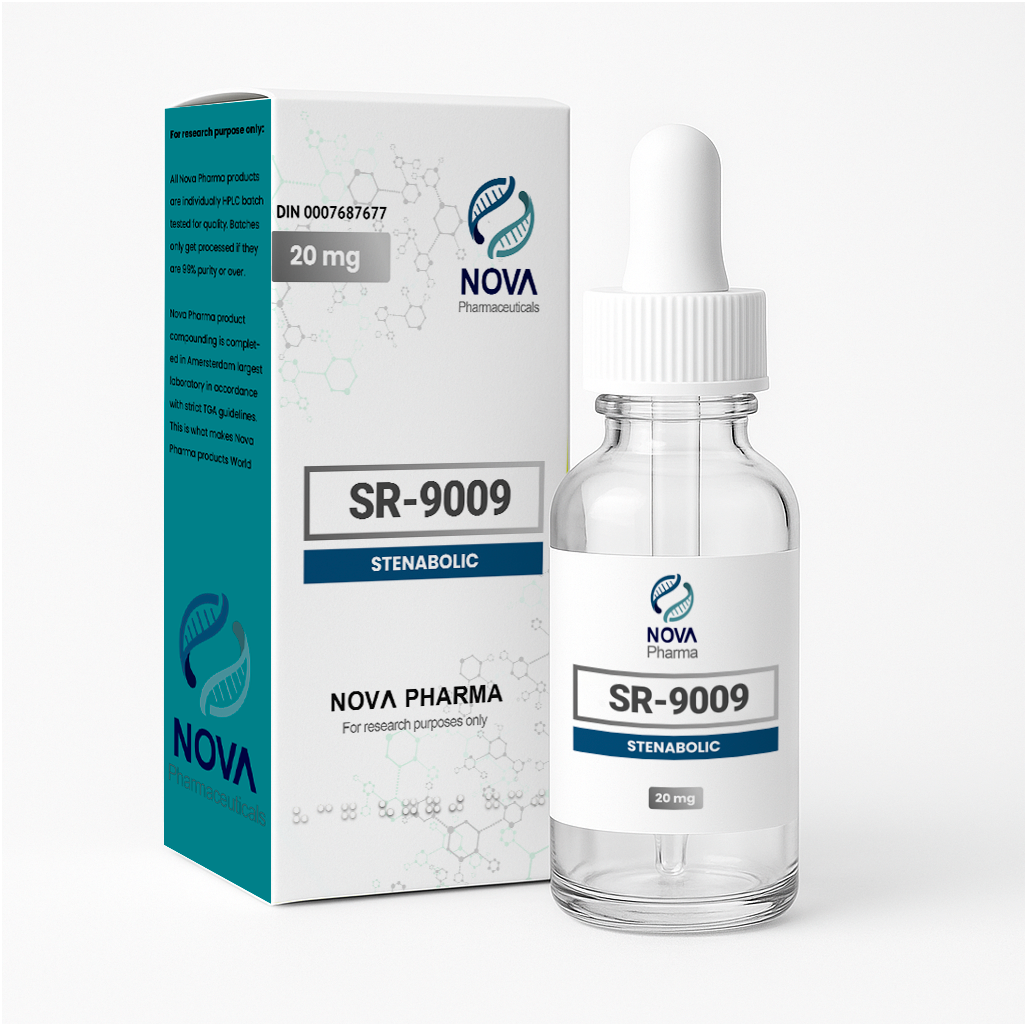
SR-9009
20mg/ml
Buy 3+ Save 15%