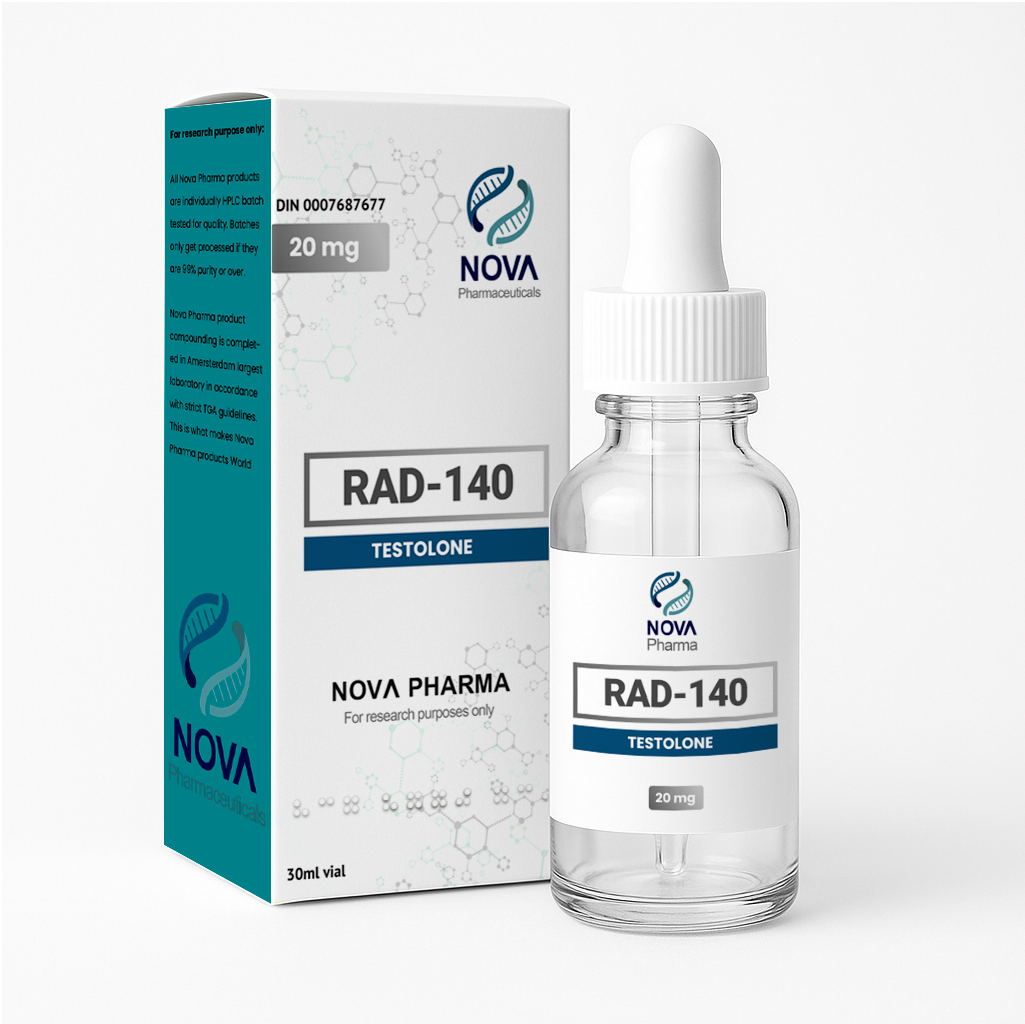
RAD-140
Testolone — the most anabolic SARM available. Significant lean muscle gains with minimal hormonal suppression.
Compound
At a glance
At a glance
- Concentration
- 20mg/ml
- Purity
- 99%+ (HPLC verified)
- Route
- Oral or sublingual
- Storage
- Room temperature, dry, away from light.
RAD-140, designated Testolone, is a non-steroidal selective androgen receptor modulator (SARM) developed by Radius Health, Inc. Originally investigated as a potential therapeutic for muscle wasting conditions and breast cancer, RAD-140 has emerged as the most anabolic compound in the SARM class. Its chemical structure — a substituted benzonitrile with a dicyanopyridine core — was engineered to produce high binding affinity at the androgen receptor while maintaining oral bioavailability and tissue selectivity.
RAD-140 functions by selectively binding to androgen receptors in skeletal muscle and bone tissue, initiating the same downstream anabolic signaling cascade as testosterone — activation of AR-dependent gene transcription, increased nitrogen retention, and enhanced protein synthesis — without significant activity in prostate or sebaceous gland tissue. Preclinical data demonstrates an anabolic-to-androgenic selectivity ratio of approximately 90:1, compared to testosterone's 1:1 baseline. RAD-140 also exhibits neuroprotective properties, with in vitro research suggesting it may protect hippocampal neurons against kainate-induced excitotoxicity through AR-dependent mechanisms.
In the research literature, RAD-140 is consistently associated with significant lean muscle mass accrual, measurable strength increases, and modest improvements in endurance capacity. Studies in primates demonstrated lean mass gains of over 10% in 28 days at clinically relevant doses, with no significant changes in prostate weight — the hallmark of true tissue selectivity. Fat loss via nutrient partitioning is a commonly reported secondary effect.
RAD-140 is best suited for experienced researchers pursuing lean mass acquisition during caloric surplus protocols, or for body recomposition where simultaneous muscle gain and fat reduction are the objective. Its potency makes it a poor first compound for researchers unfamiliar with SARMs; MK-2866 or ACP-105 are more appropriate entry points. RAD-140 is frequently stacked with MK-677 for synergistic anabolic and recovery effects.
RAD-140 has an elimination half-life of approximately 60 hours, supporting once-daily oral administration. Oral bioavailability is high. Suppression of endogenous testosterone production is dose-dependent but generally moderate at standard research doses — significantly less than equivalent anabolic steroid protocols, though enough to warrant post-cycle therapy (PCT) with a SERM such as Nolvadex or Clomid for cycles exceeding 8 weeks. Liver enzyme elevation is minimal at standard doses. Typical research protocols range from 10–30mg daily for 8–12 weeks.
Dose ranges published in the peptide-research literature vary considerably. Research protocols should be designed by a qualified researcher and use the lowest effective dose consistent with the hypothesis being tested. Half-life determines dosing frequency — shorter half-lives usually require daily dosing, while long-acting analogues tolerate weekly administration.
For compound-specific dose theory, see the half-life dosing math guide and the stacking theory reference.
Independent lab verification
Research disclaimer
For research and laboratory use only. Not for human or veterinary consumption. Novo Pharma sells to qualified researchers of legal age and ships to Canadian addresses only. See disclaimer and terms.
Read the research
Reference articles from the lab covering this compound.
best of
Best SARMs for Bulking 2026: Maximum Muscle Without Steroids
Best SARMs for bulking in 2026 ranked by muscle-building potential. RAD-140, LGD-4033, YK-11, S-23, and MK-677 — with stacks, expected gains per cycle, and PCT requirements for each.
comparisons
ACP-105 vs RAD-140: Same Chemical Family, Way Less Suppression
ACP-105 vs RAD-140 comparison: same chemical family, dramatically less suppression. Dosage, cognitive benefits, side effects, and why biohackers are switching.
comparisons
RAD-140 vs LGD-4033: The Complete Bulking SARM Comparison
RAD-140 (Testolone) vs LGD-4033 (Ligandrol) — the definitive head-to-head comparison. Which bulking SARM delivers more mass, better strength, drier gains, and less suppression? Complete analysis with clinical data, dosing protocols, and stacking considerations.
Related compounds.
View all SARMs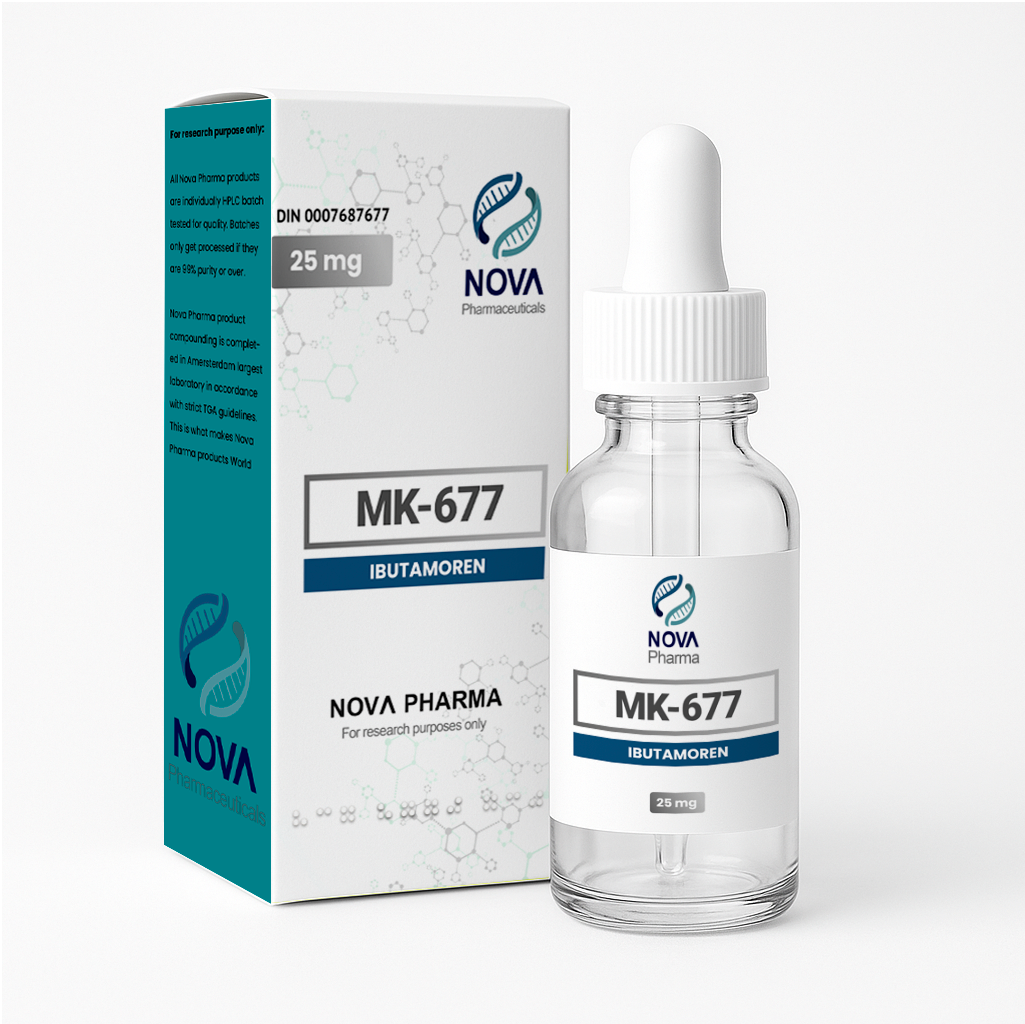
MK-677
25mg/ml
Buy 3+ Save 15%
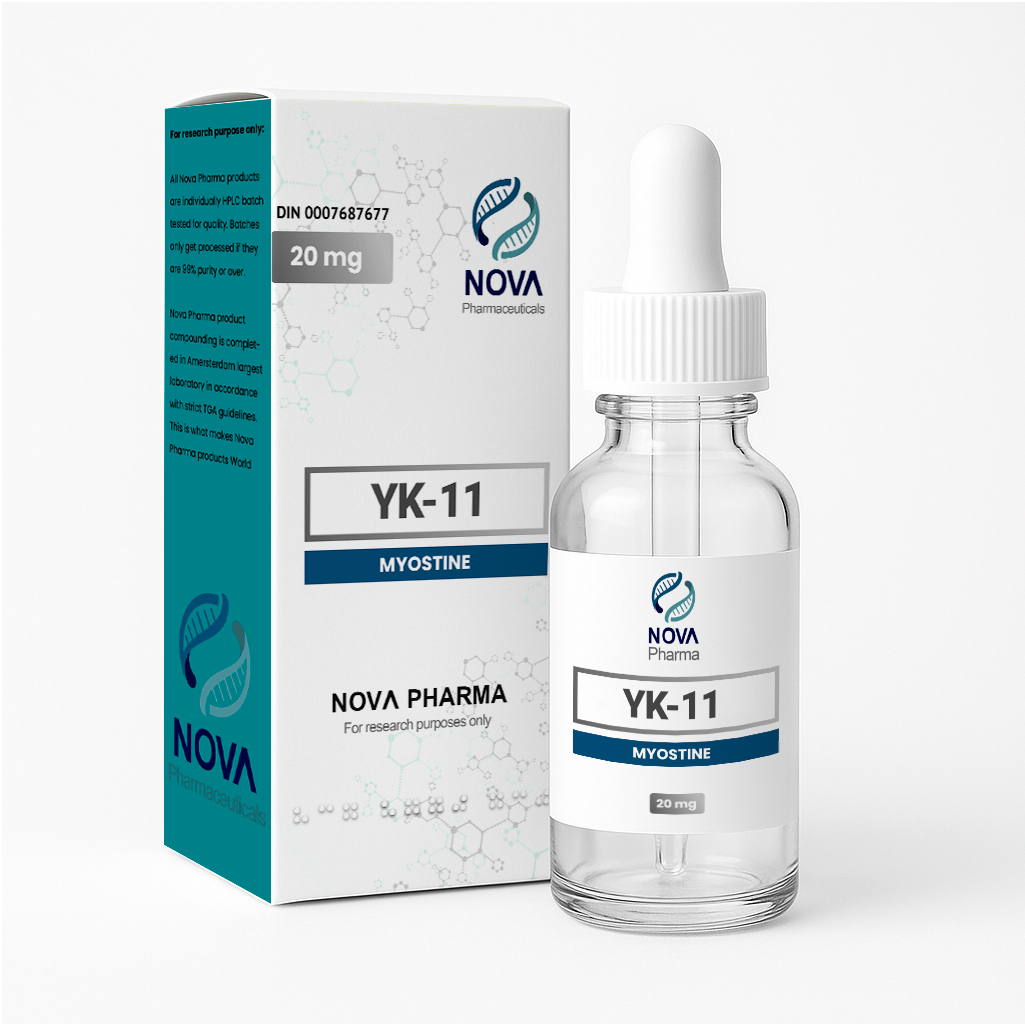
YK-11
20mg/ml
Buy 3+ Save 15%
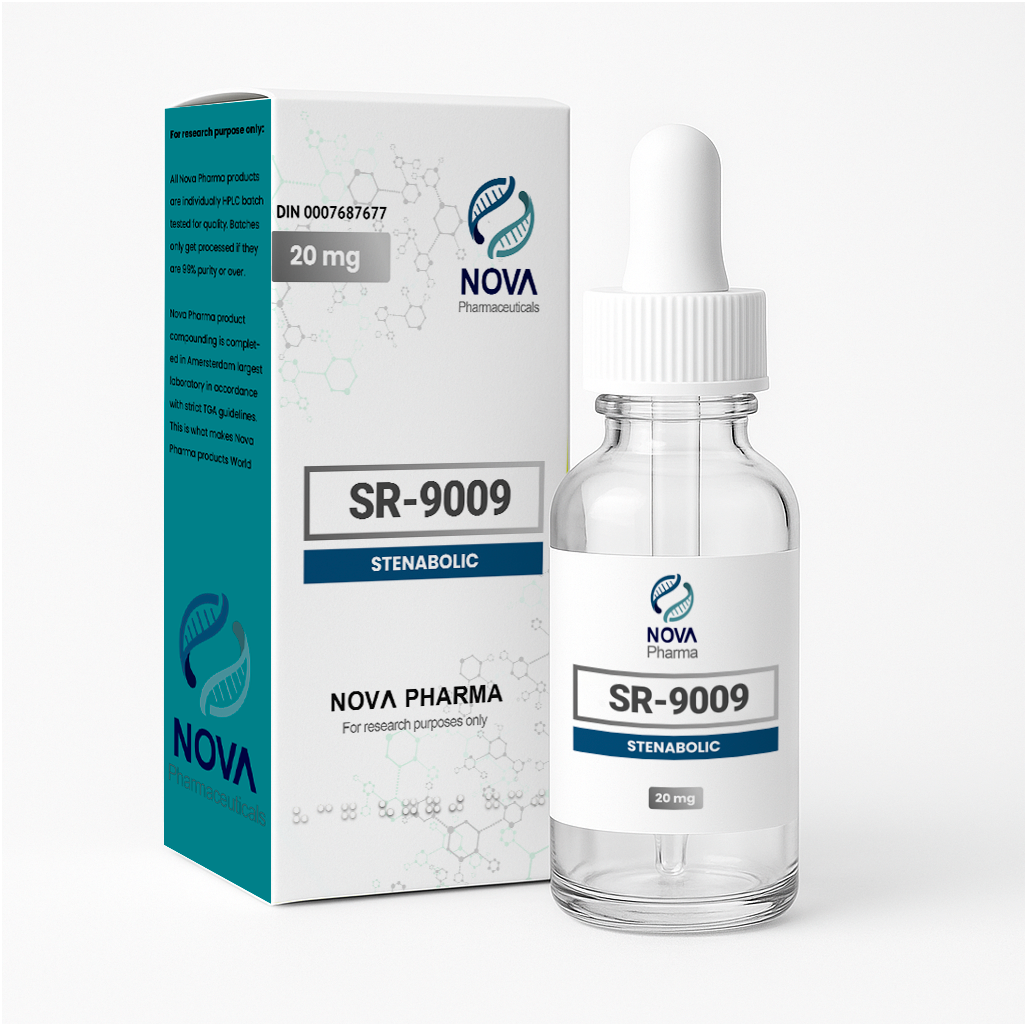
SR-9009
20mg/ml
Buy 3+ Save 15%
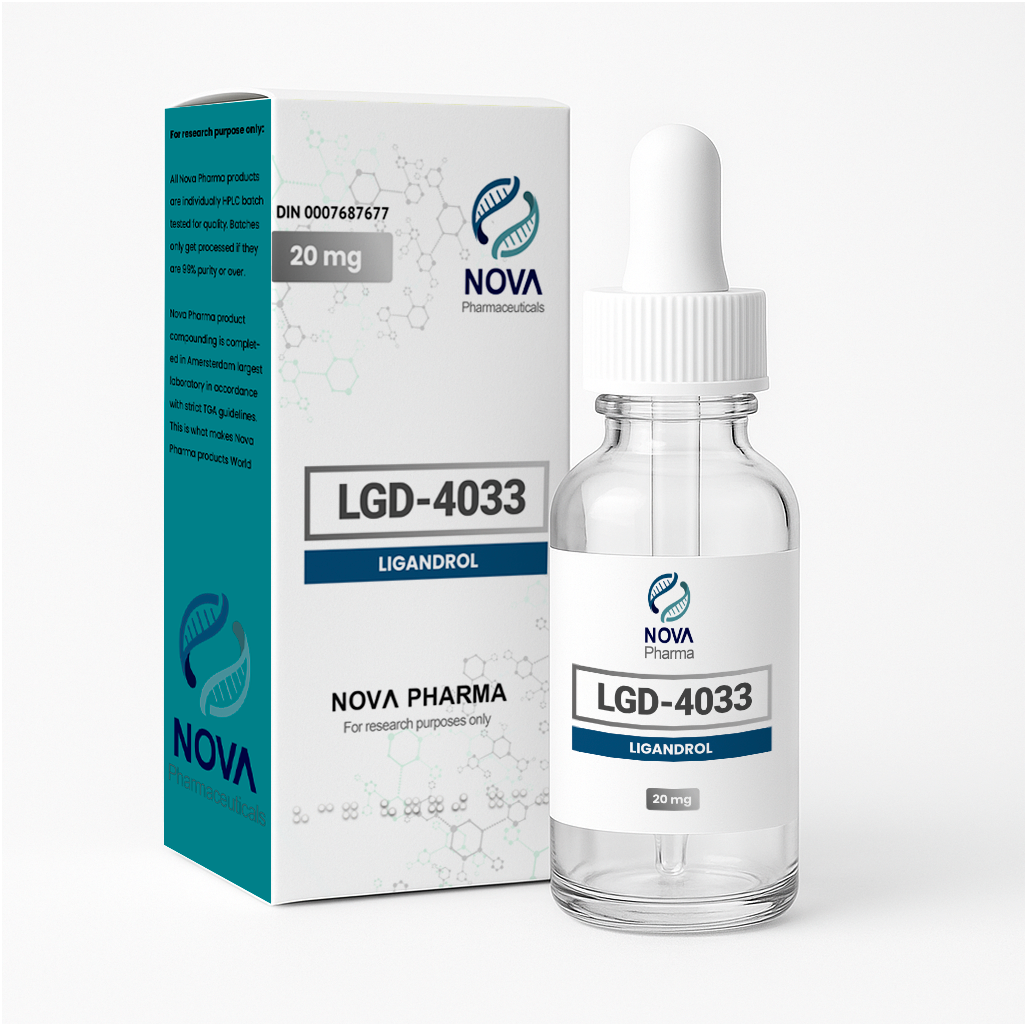
LGD-4033
20mg/ml
Buy 3+ Save 15%