SR-9009
Stenabolic — Rev-ErbA agonist for enhanced endurance and fat metabolism. Boosts exercise capacity and mitochondrial function.
Compound
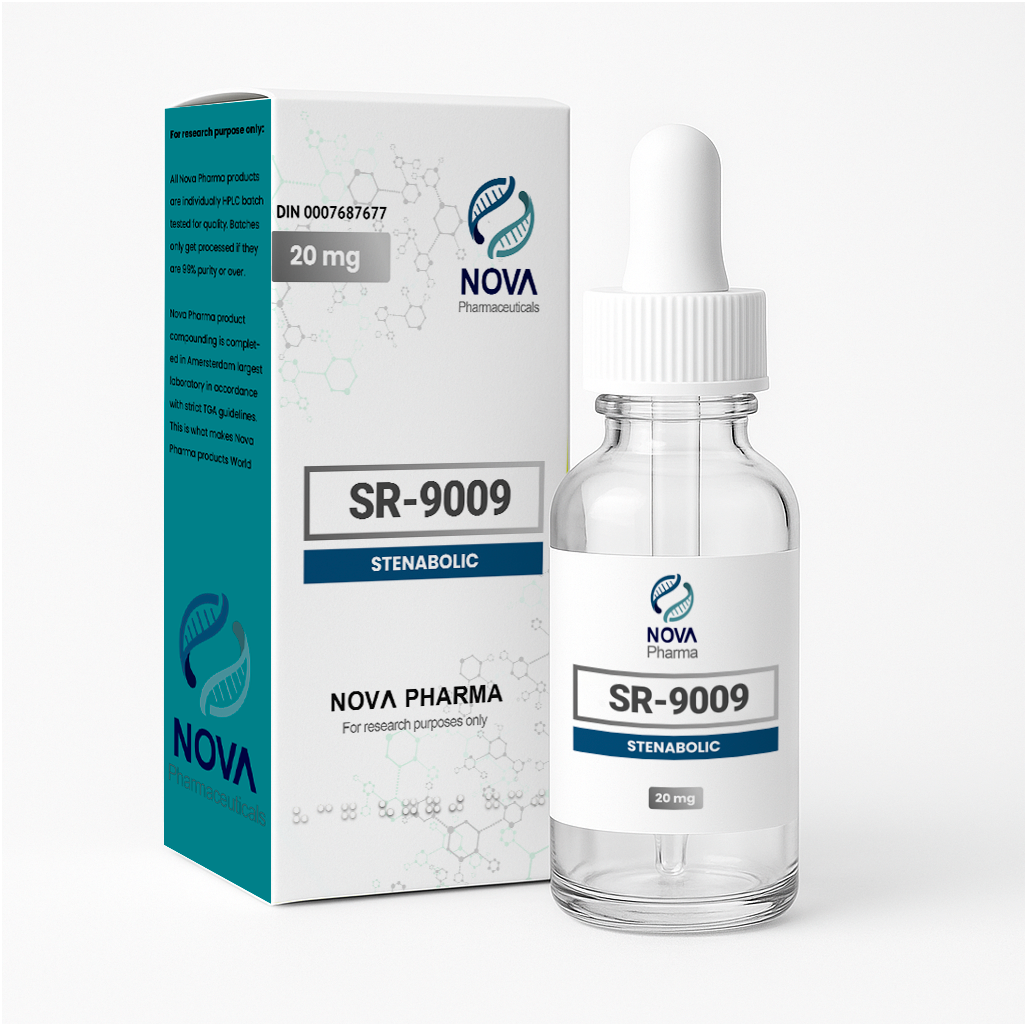
At a glance
At a glance
- Concentration
- 20mg/ml
- Purity
- 99%+ (HPLC verified)
- Route
- Oral or sublingual
- Storage
- Room temperature, dry, away from light.
SR-9009, designated Stenabolic, is a synthetic Rev-ErbA agonist developed at the Scripps Research Institute by Professor Thomas Burris. It is not a SARM — it does not interact with the androgen receptor. Instead, SR-9009 targets Rev-Erb-alpha and Rev-Erb-beta, nuclear receptors that regulate circadian rhythm gene expression, lipid metabolism, inflammatory response, and mitochondrial biogenesis. It is commonly sold alongside SARMs due to its complementary role in endurance and fat metabolism research.
SR-9009 activates Rev-ErbA nuclear receptors, which function as transcriptional repressors of genes involved in gluconeogenesis, lipogenesis, and adipocyte differentiation. In preclinical models, SR-9009 administration increased mitochondrial count in skeletal muscle, enhanced oxidative metabolism, reduced plasma triglycerides and total cholesterol, decreased fat mass, and — most dramatically — increased exercise endurance capacity by approximately 50% in sedentary mice. The compound essentially reprograms the metabolic machinery of cells toward a state resembling that of a trained endurance athlete, independent of actual exercise.
The research literature emphasizes SR-9009's effects on exercise capacity, fat oxidation, and metabolic efficiency. It is particularly noted for reducing stored body fat without caloric restriction, increasing the ratio of energy expenditure to energy intake, and improving lipid profiles. Anti-inflammatory effects via macrophage reprogramming have also been documented.
SR-9009 is best suited for researchers focused on endurance optimization, fat loss, and cardiovascular metabolic improvement. Because it does not engage the androgen receptor, it produces no hormonal suppression and is appropriate for researchers of any experience level. It is frequently stacked with Cardarine (GW-501516) for compounded endurance effects, or with SARMs like Ostarine during cutting protocols to accelerate fat loss while preserving lean tissue.
SR-9009 has a notably short half-life of approximately 4–6 hours, which is its primary practical limitation. Optimal research protocols require dosing 3–4 times daily to maintain stable plasma levels. Oral bioavailability has been a subject of debate in the literature — early pharmacokinetic studies in rodents suggested limited oral absorption, though subsequent research and widespread anecdotal evidence support meaningful oral activity in practice, particularly in liquid suspension formulations. There is zero testosterone suppression and no PCT requirement. No significant hepatotoxicity or adverse effects have been documented at standard research doses. Typical protocols range from 20–30mg daily (divided into 3–4 doses) for 8–12 weeks.
Dose ranges published in the peptide-research literature vary considerably. Research protocols should be designed by a qualified researcher and use the lowest effective dose consistent with the hypothesis being tested. Half-life determines dosing frequency — shorter half-lives usually require daily dosing, while long-acting analogues tolerate weekly administration.
For compound-specific dose theory, see the half-life dosing math guide and the stacking theory reference.
Independent lab verification
Research disclaimer
For research and laboratory use only. Not for human or veterinary consumption. Novo Pharma sells to qualified researchers of legal age and ships to Canadian addresses only. See disclaimer and terms.
Read the research
Reference articles from the lab covering this compound.
best of
Best SARMs for Cutting 2026: Ranked by Fat Loss & Muscle Preservation
Best SARMs for cutting in 2026 ranked by fat loss and muscle preservation. Cardarine, Ostarine, S-4, SR-9009, and GW-0742 — with stacks for beginner, intermediate, and advanced cuts.
compound guides
SR-9009 (Stenabolic): Exercise in a Bottle — The Bioavailability Truth
SR-9009 mimics exercise at the cellular level by activating Rev-ErbA — but its 2% oral bioavailability undermines most protocols. Learn the real science, bioavailability solutions, dosing strategies, and how it compares to Cardarine for Canadian users.
stacks
Ostarine + Cardarine Stack: The #1 Cutting SARM Combination
The Ostarine (MK-2866) + Cardarine (GW-501516) stack is the most popular cutting combination in the SARM world. Learn the complete protocol: dosing, cycle length, expected fat loss results, PCT considerations, and how to add SR-9009 for a triple fat-loss stack.
Related compounds.
View all SARMs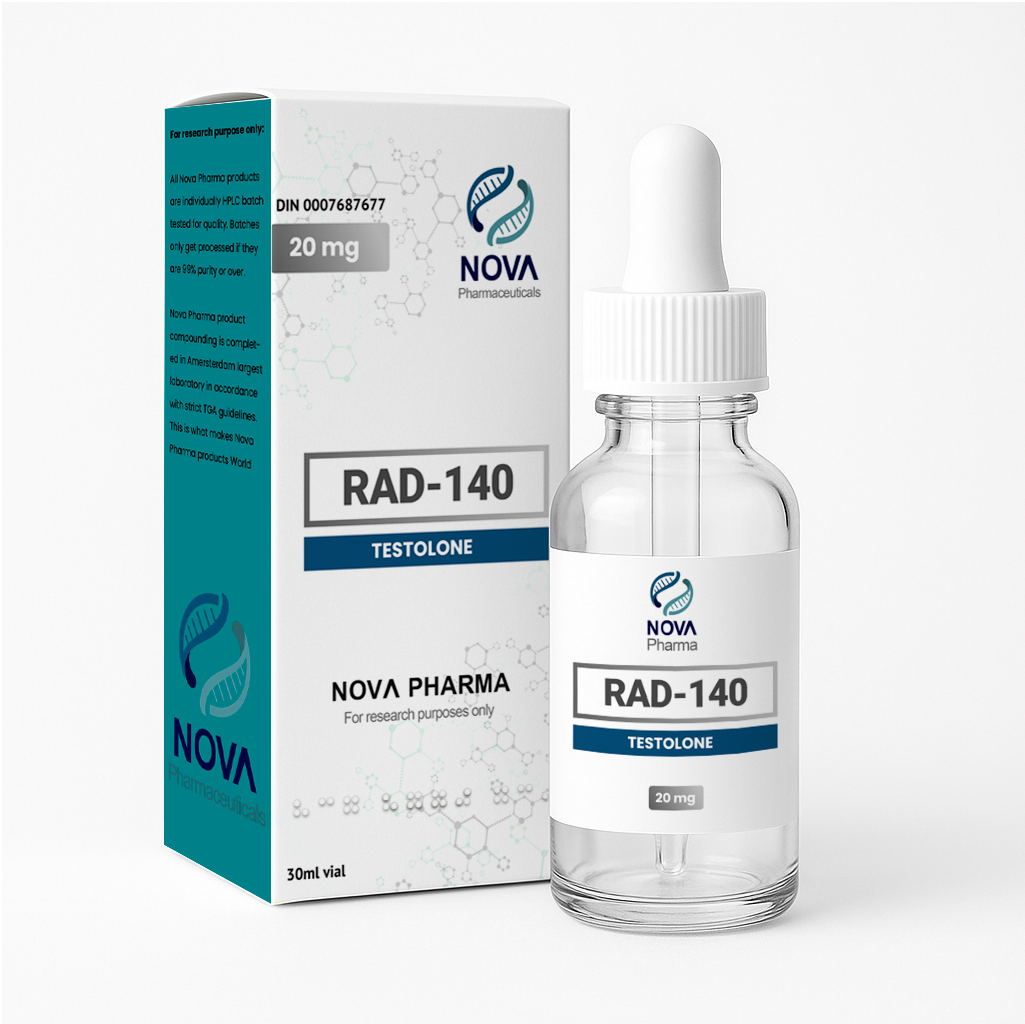
RAD-140
20mg/ml
Buy 3+ Save 15%
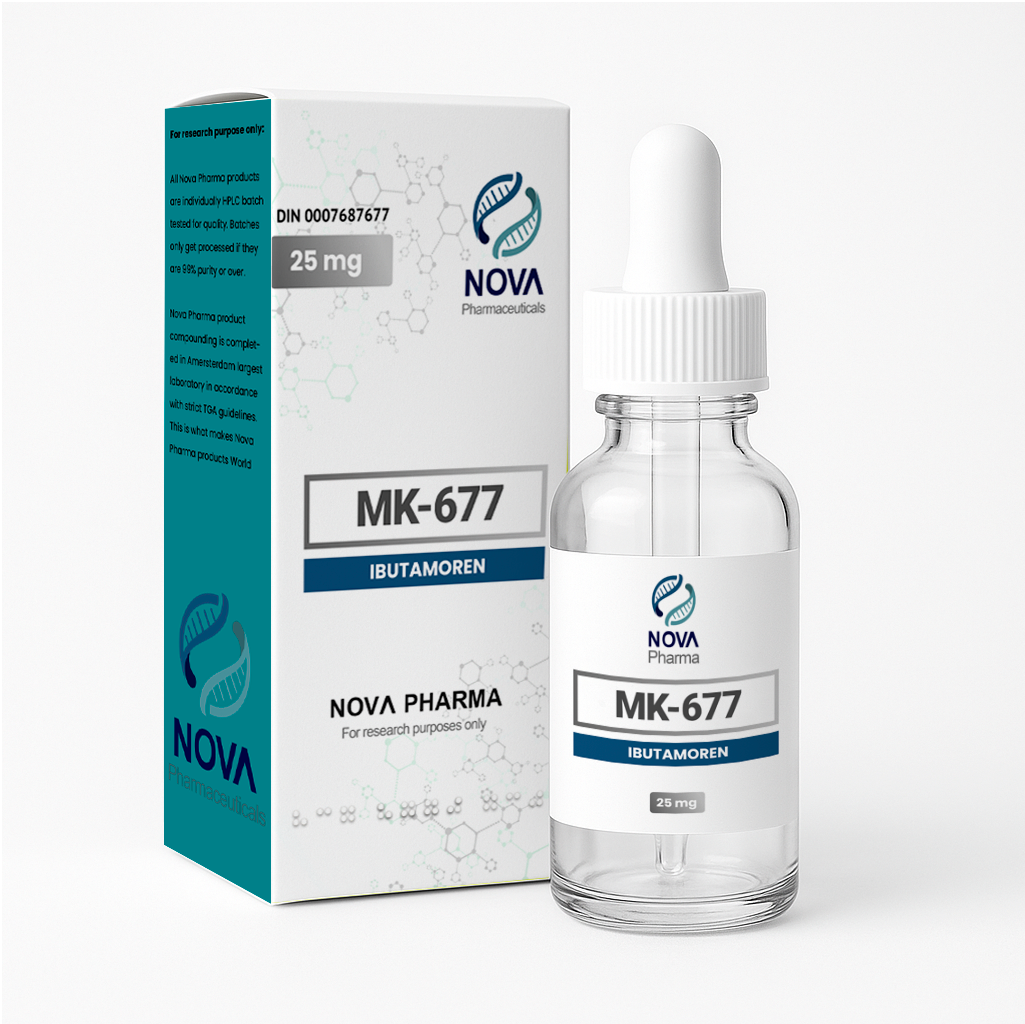
MK-677
25mg/ml
Buy 3+ Save 15%
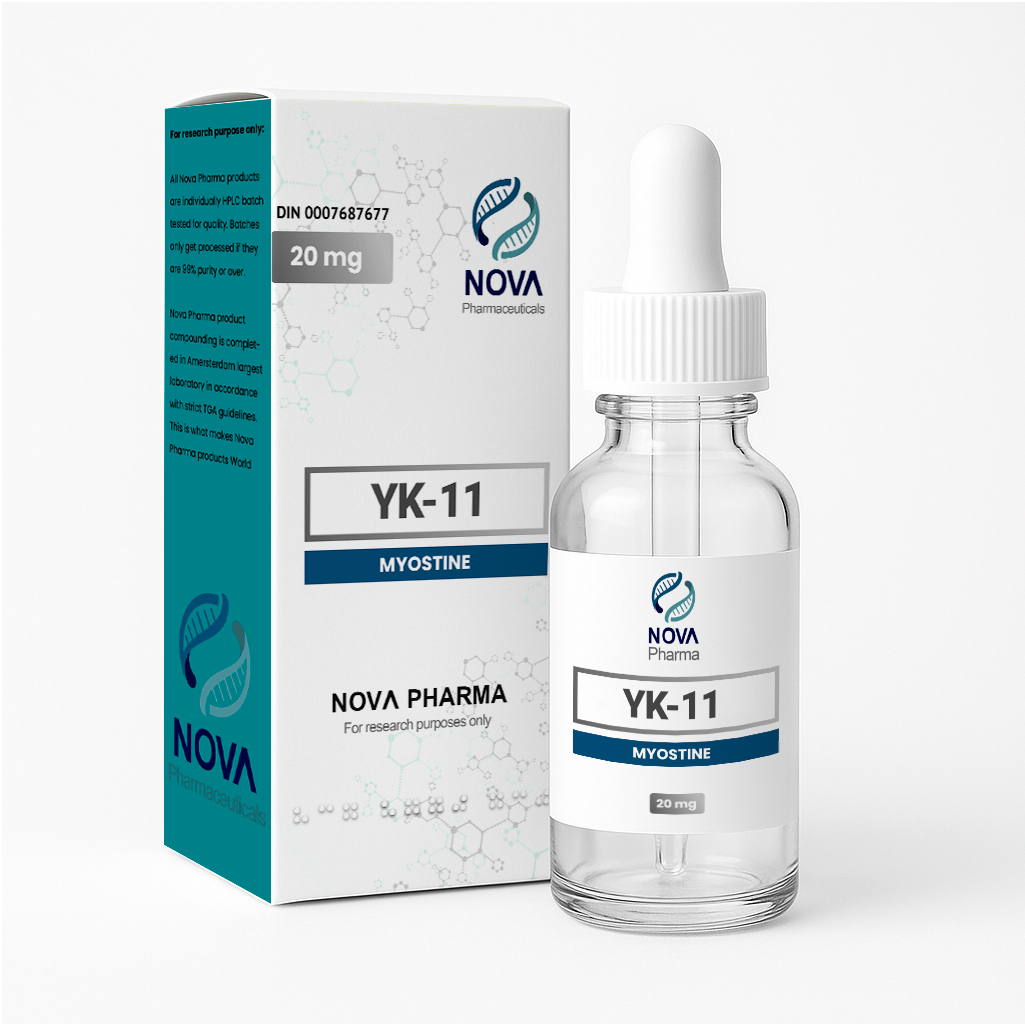
YK-11
20mg/ml
Buy 3+ Save 15%
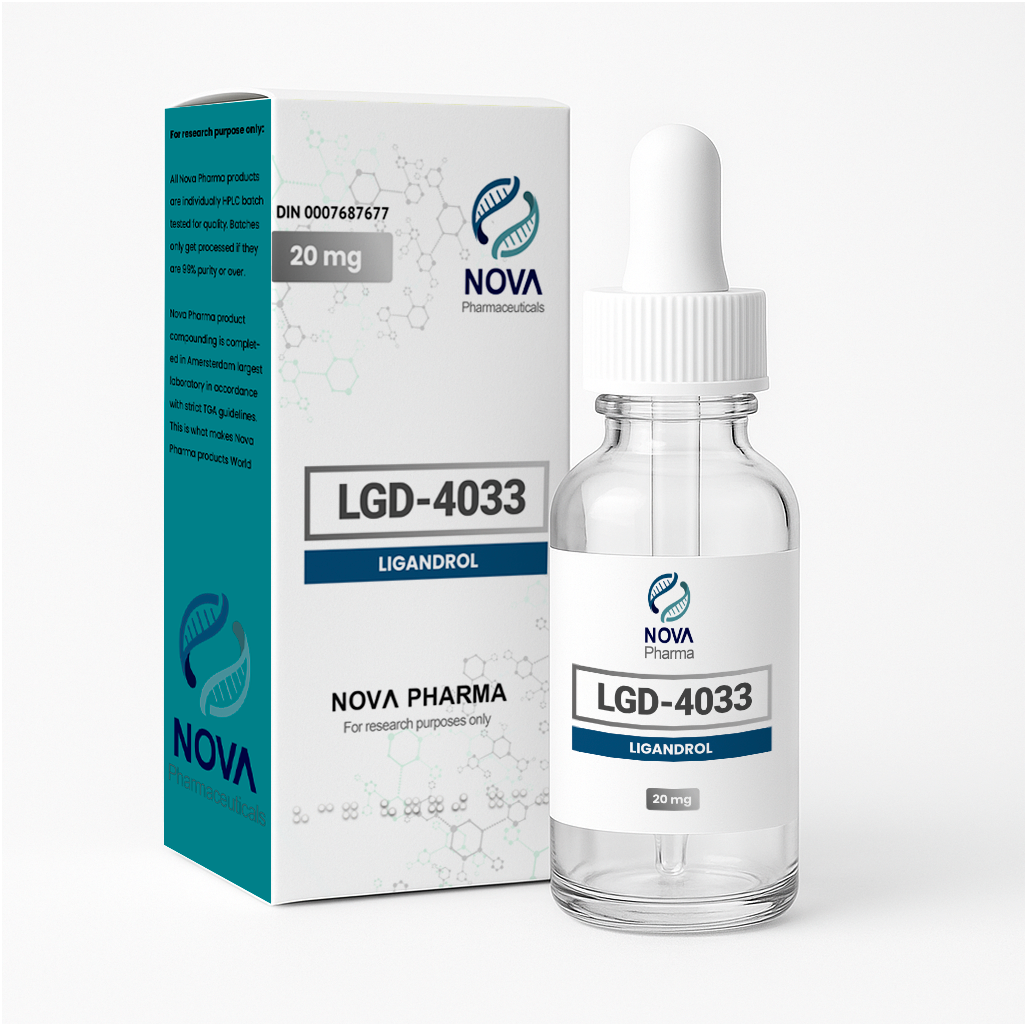
LGD-4033
20mg/ml
Buy 3+ Save 15%