LGD-4033
Ligandrol — potent SARM for lean mass. Clinical-grade muscle building with targeted tissue selectivity.
Compound
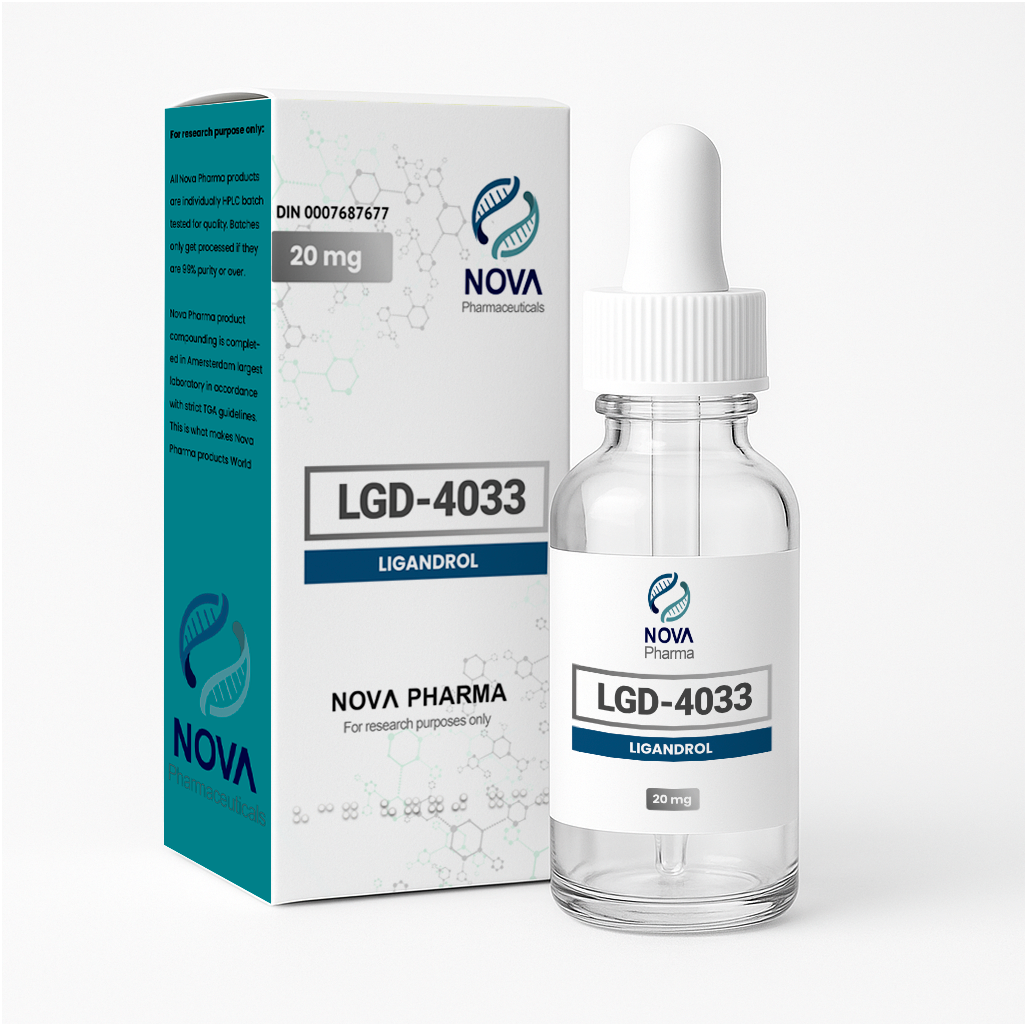
At a glance
At a glance
- Concentration
- 20mg/ml
- Purity
- 99%+ (HPLC verified)
- Route
- Oral or sublingual
- Storage
- Room temperature, dry, away from light.
LGD-4033, designated Ligandrol, is a non-steroidal selective androgen receptor modulator developed by Ligand Pharmaceuticals and subsequently licensed to Viking Therapeutics for clinical advancement. It is among the most thoroughly studied SARMs in clinical settings, with published Phase I and Phase II human trial data — a level of clinical evidence that few research compounds in this class possess. Structurally, LGD-4033 features a pyrrolidinyl-benzonitrile scaffold optimized for high AR binding affinity and oral activity.
LGD-4033 binds to the androgen receptor with a Ki of approximately 1 nM — affinity comparable to that of dihydrotestosterone — and activates AR-dependent transcriptional programs in skeletal muscle and bone. Its tissue selectivity arises from differential co-regulator recruitment: in muscle, LGD-4033-bound AR preferentially recruits anabolic co-activators, while in prostate tissue, the conformational change induced by LGD-4033 binding favors interaction with co-repressors. The result is robust anabolic signaling in target tissues with minimal androgenic activity in reproductive organs.
In published human trials, LGD-4033 produced statistically significant dose-dependent increases in lean body mass — up to 1.21 kg (2.67 lbs) in 21 days at 1mg/day, the highest dose tested — with no significant changes in prostate-specific antigen, hematocrit, or liver enzymes. This positions LGD-4033 as the SARM with the strongest clinical evidence for lean mass efficacy. Additional research highlights its potential for bone density preservation and muscle wasting prevention.
LGD-4033 is ideal for researchers pursuing clean, clinical-grade lean mass accrual with predictable, well-characterized pharmacology. Its extensive human data provides a level of dosing confidence that more novel compounds lack. It is suited for intermediate researchers — those who have experience with milder SARMs like Ostarine and are seeking greater anabolic potency. Commonly run as the centerpiece of bulking or lean-gaining protocols, and frequently stacked with MK-677 for enhanced recovery and appetite support.
LGD-4033 has an elimination half-life of 24–36 hours, supporting once-daily dosing. Oral bioavailability is high. Testosterone suppression is dose-dependent and clinically documented: at 1mg/day, free testosterone and SHBG were significantly reduced by Day 21 but recovered to baseline within 35 days of cessation (56 days from cycle start) without PCT intervention. At standard research doses of 5–10mg, suppression is more pronounced and PCT with a SERM (Nolvadex 20mg or Clomid 25mg for 4 weeks) is prudent for cycles exceeding 6 weeks. No significant hepatotoxicity has been observed. Typical protocols range from 5–15mg daily for 8–12 weeks.
Dose ranges published in the peptide-research literature vary considerably. Research protocols should be designed by a qualified researcher and use the lowest effective dose consistent with the hypothesis being tested. Half-life determines dosing frequency — shorter half-lives usually require daily dosing, while long-acting analogues tolerate weekly administration.
For compound-specific dose theory, see the half-life dosing math guide and the stacking theory reference.
Independent lab verification
Research disclaimer
For research and laboratory use only. Not for human or veterinary consumption. Novo Pharma sells to qualified researchers of legal age and ships to Canadian addresses only. See disclaimer and terms.
Read the research
Reference articles from the lab covering this compound.
best of
Best SARMs for Beginners 2026: Safest First Cycle Options Ranked
Looking for the best SARMs for beginners? We rank the safest first SARM cycle options for 2026 — from Ostarine to AC-262536 — with protocols, dosages, and what to avoid.
best of
Best SARMs for Bulking 2026: Maximum Muscle Without Steroids
Best SARMs for bulking in 2026 ranked by muscle-building potential. RAD-140, LGD-4033, YK-11, S-23, and MK-677 — with stacks, expected gains per cycle, and PCT requirements for each.
best of
Best SARMs for Women 2026: Safe Options Ranked by Female Athletes
Best SARMs for women in 2026 ranked by female athletes. Ostarine, Cardarine & safe options with proper dosing protocols. What to use and what to avoid.
Related compounds.
View all SARMs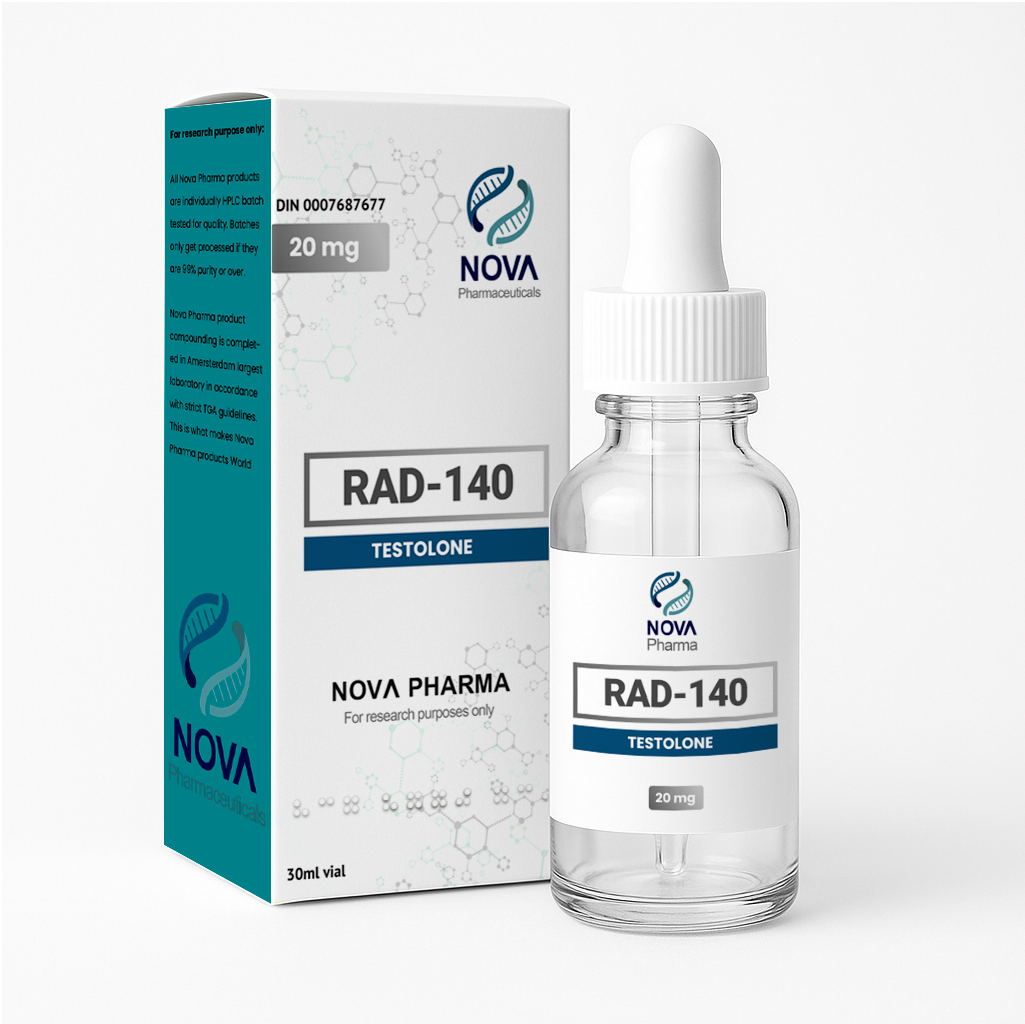
RAD-140
20mg/ml
Buy 3+ Save 15%
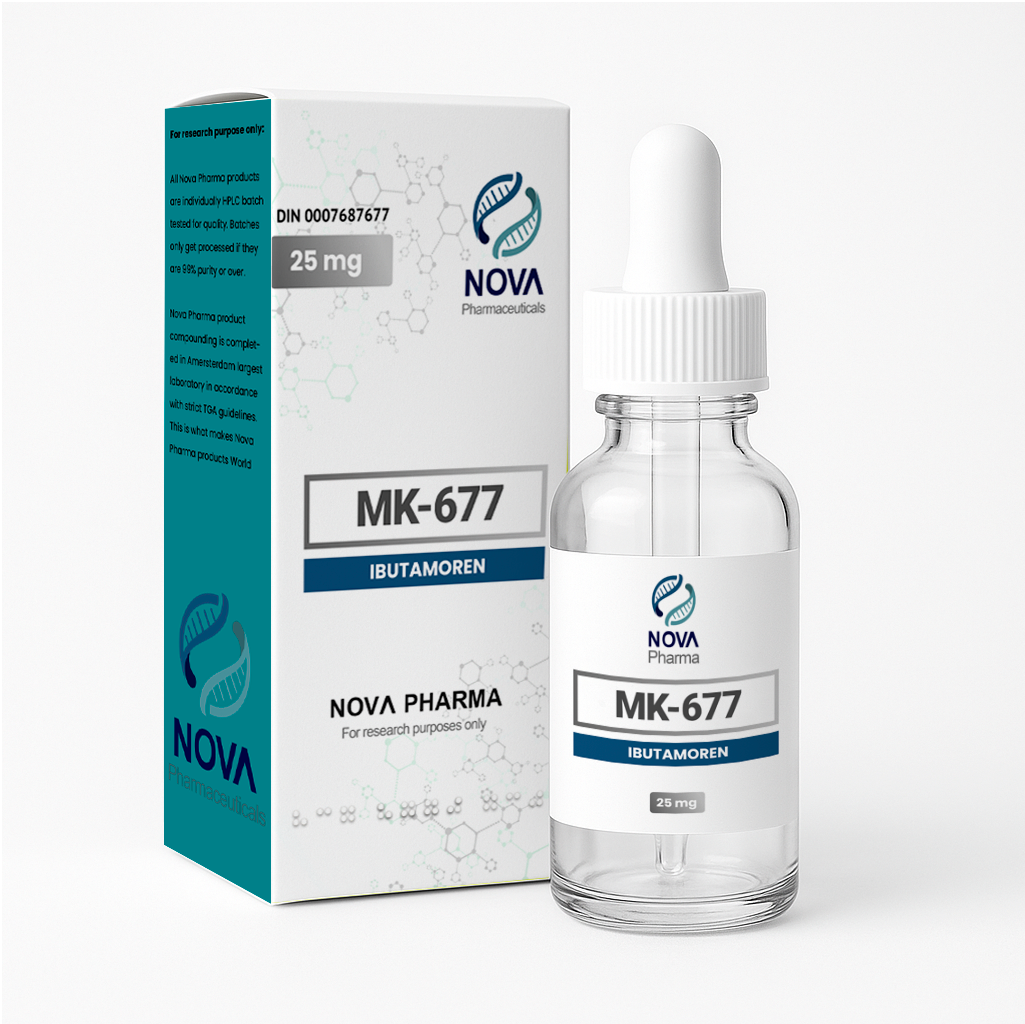
MK-677
25mg/ml
Buy 3+ Save 15%
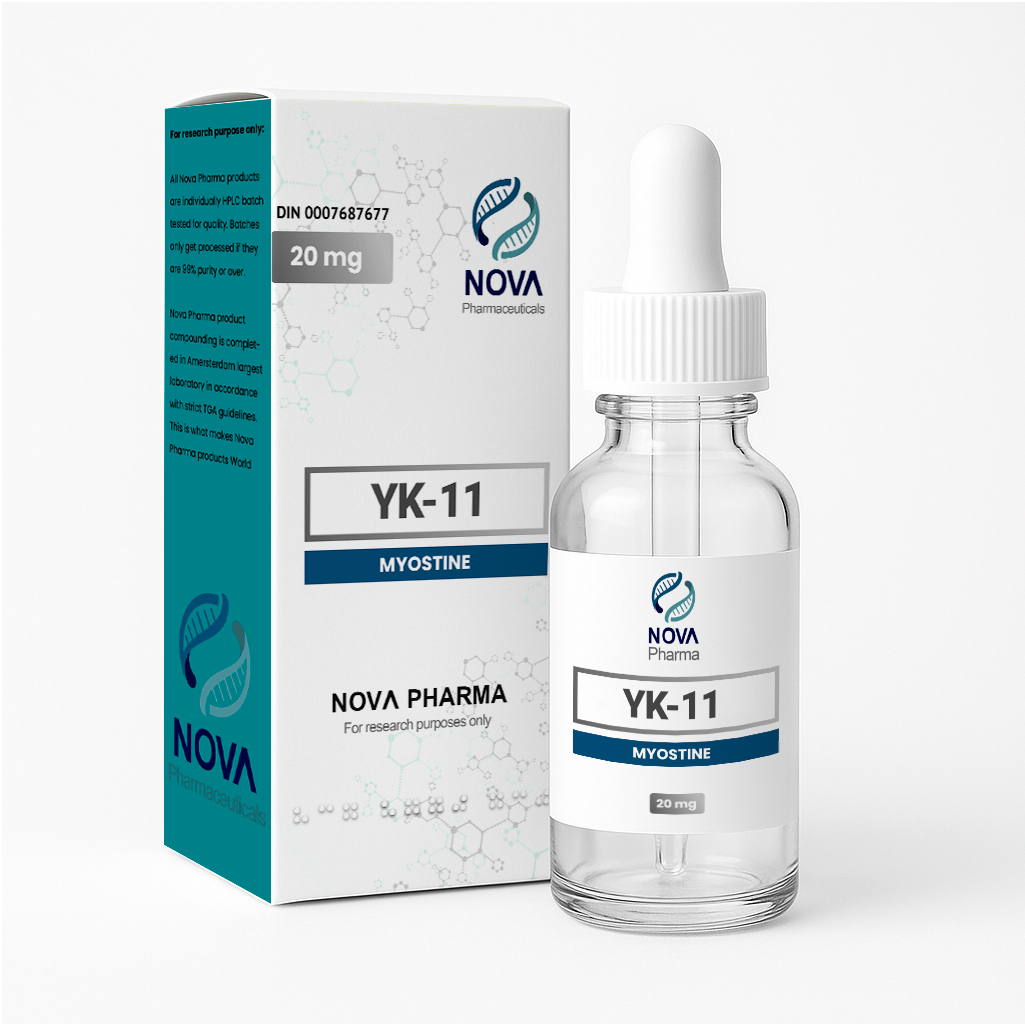
YK-11
20mg/ml
Buy 3+ Save 15%
SR-9009
20mg/ml
Buy 3+ Save 15%